

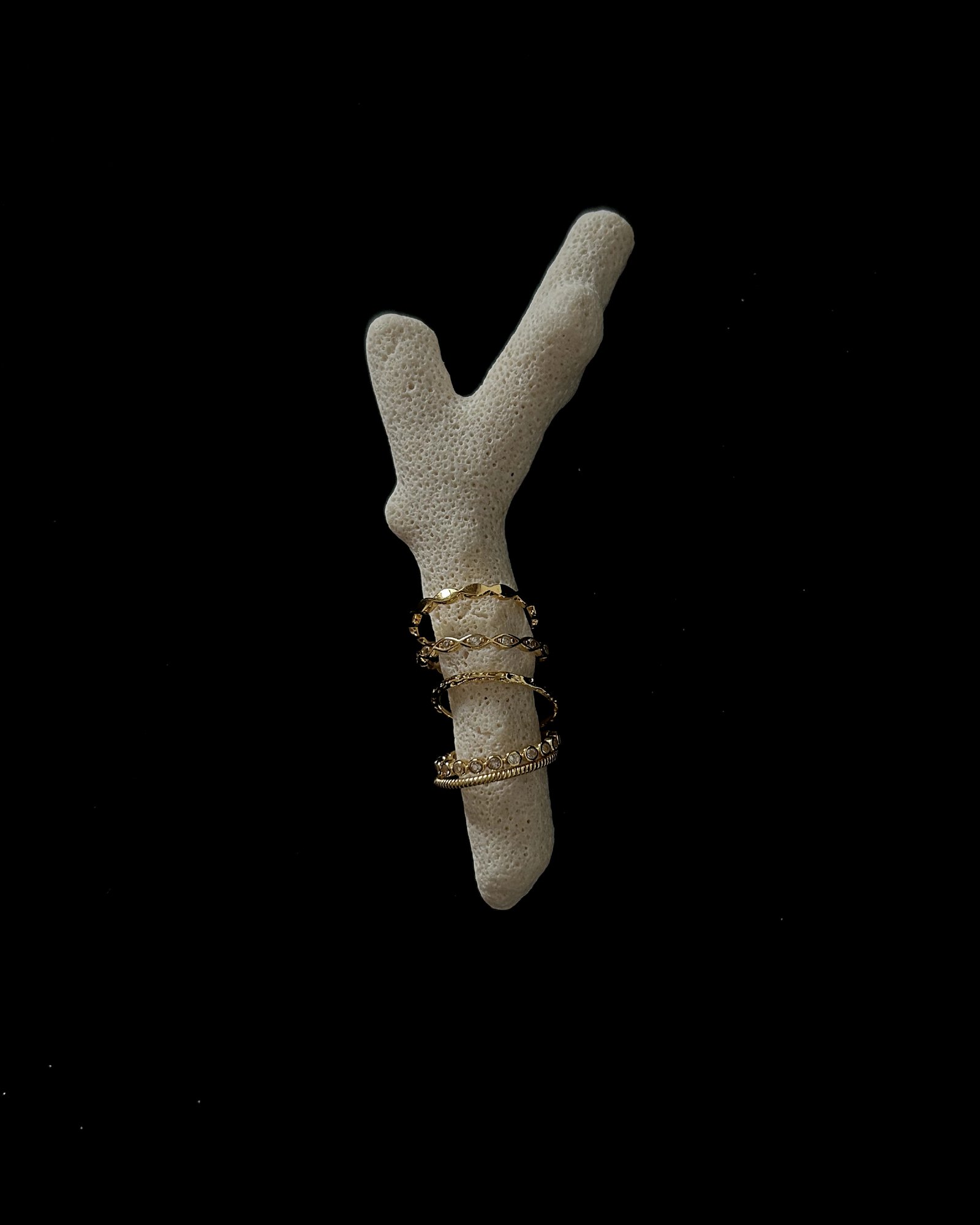
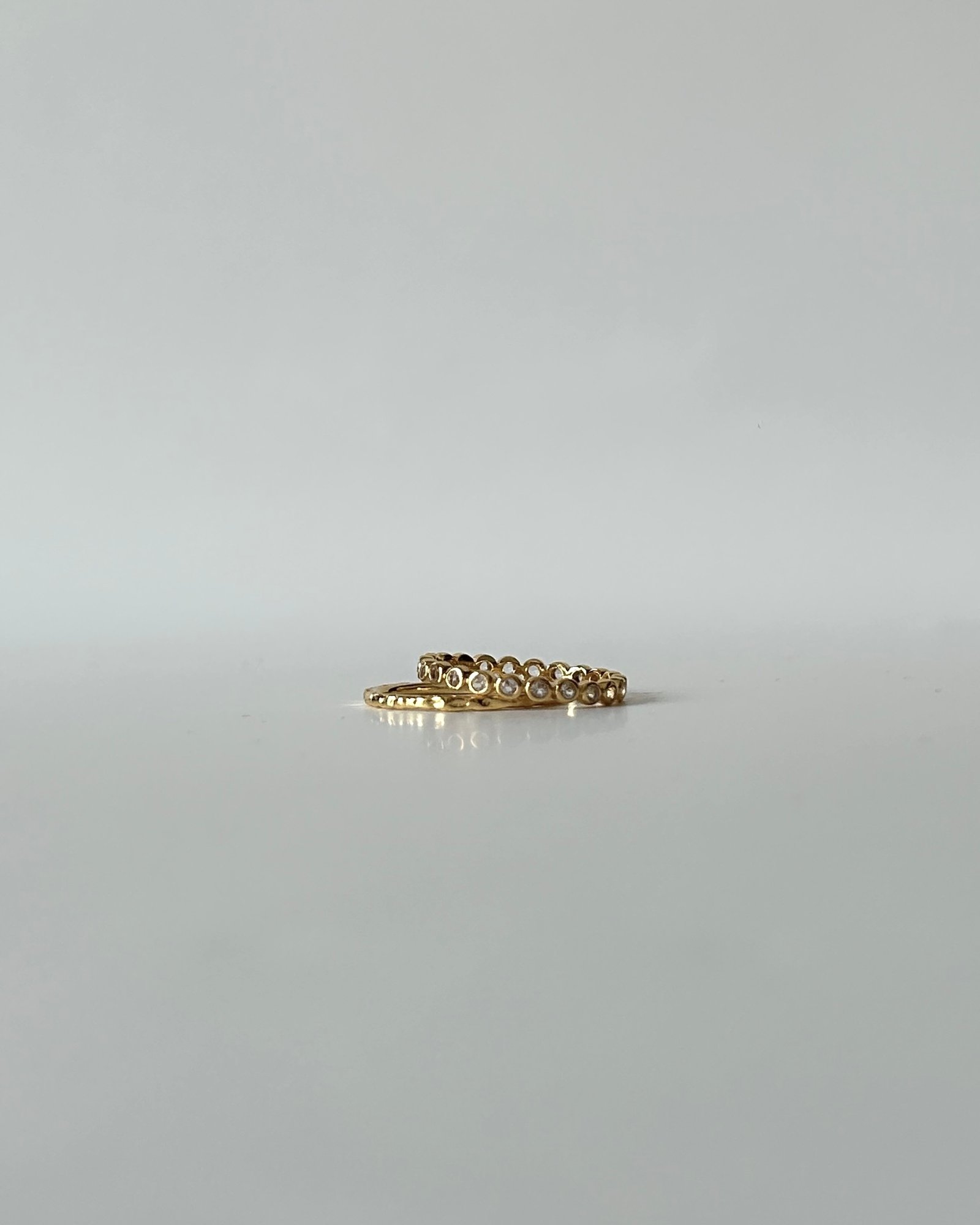


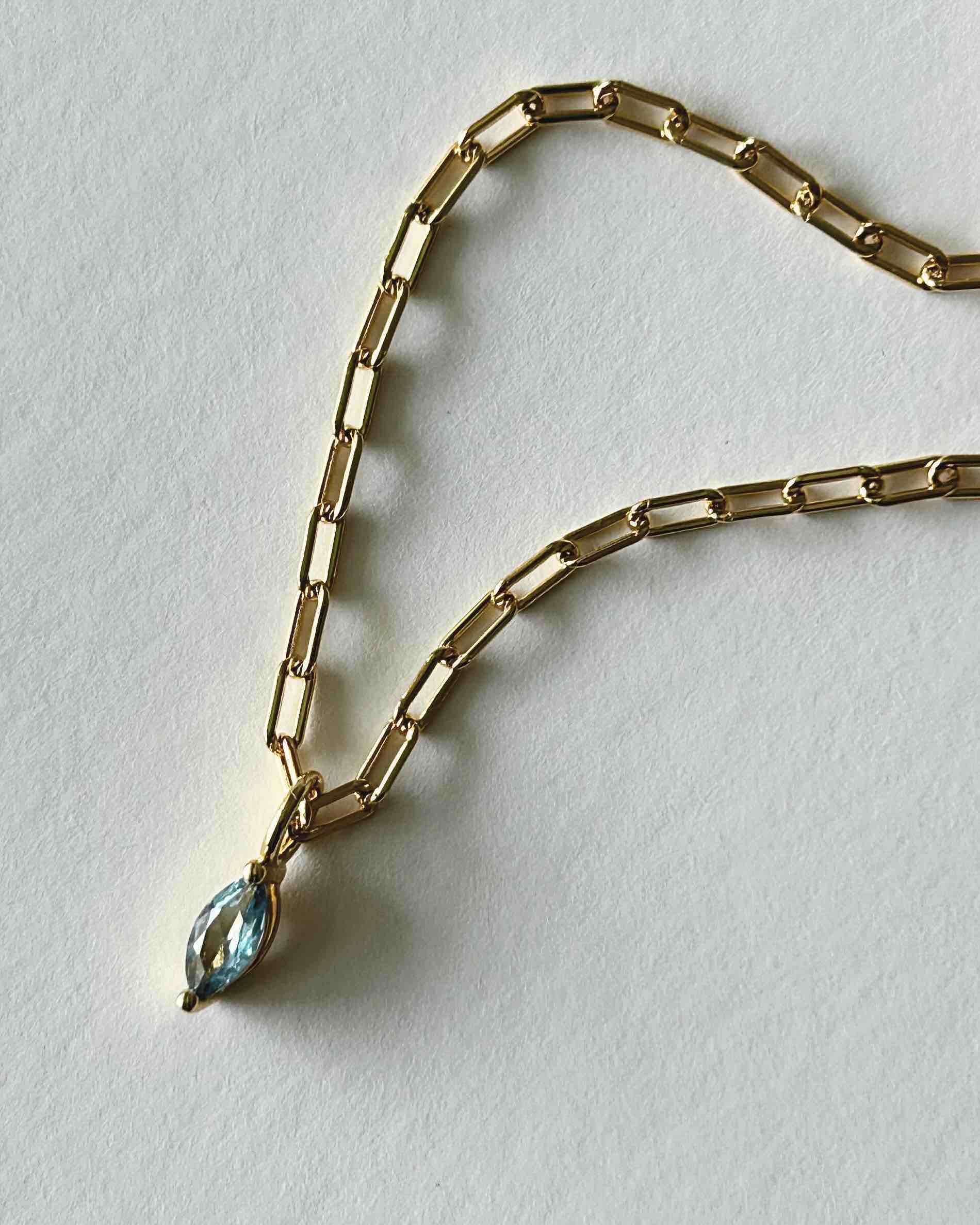
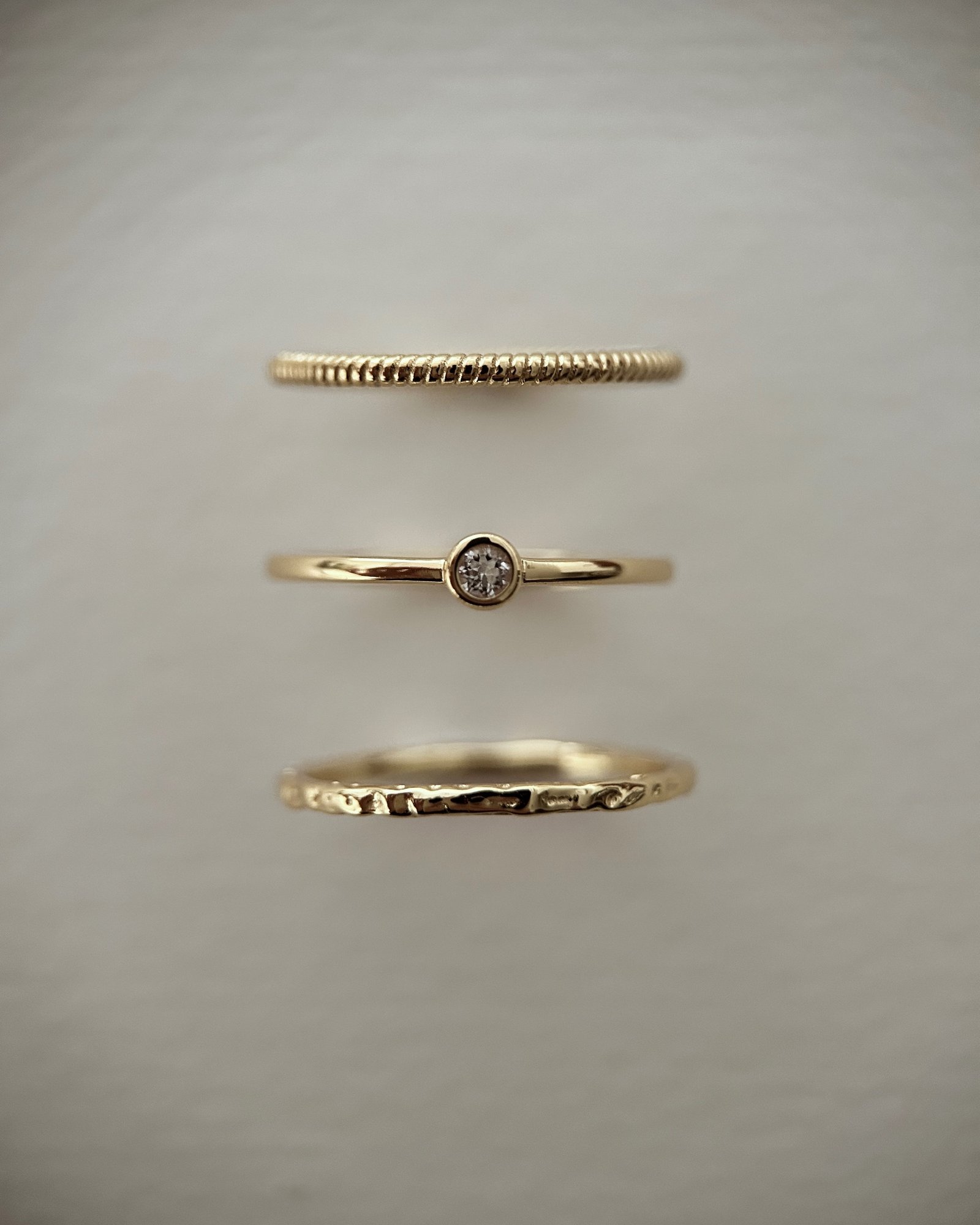
Sterling silver jewellery is made to be worn and enjoyed, but even high-quality silver can lose some of its shine over time. Exposure to air, moisture, cosmetics and everyday substances can cause natural tarnish to develop.
This does not mean your jewellery is damaged. With the right care, you can remove surface tarnish and restore its natural lustre at home.
The key is to use gentle cleaning methods that protect the silver from unnecessary scratches and wear.
Does sterling silver tarnish and why?
Sterling silver is a precious-metal alloy containing 92.5% pure silver. The remaining 7.5% is typically another metal, such as copper, which gives the silver the strength needed for jewellery.
Over time, silver can react with sulphur compounds and other substances in the environment, creating a darker layer known as tarnish. Humidity, perspiration, cosmetics, chlorine and household chemicals can all contribute to this process.
Tarnish is a surface change rather than a sign that your sterling silver jewellery is poor quality. Regular, gentle care can help maintain its appearance and keep your favourite pieces looking their best.
How to clean sterling silver jewellery at home
For everyday cleaning, you don’t need complicated solutions or aggressive products. A soft cloth is often enough to remove oils and surface residue, while mild soap and lukewarm water can be used when a more thorough clean is needed.
What you’ll need
- A soft, lint-free or microfibre cloth
- Lukewarm water
- A small amount of mild pH-neutral soap
- A clean, soft cloth for drying
Avoid abrasive materials such as rough fabrics or paper towels, which can scratch polished silver.
Step 1: Wipe the jewellery gently
Start by using a soft, dry cloth to gently wipe the surface of your jewellery. This will remove everyday oils, dust and residue.
If the piece has only lost a little of its shine, this simple step may be all that is necessary.
Step 2: Prepare a mild cleaning solution
For a deeper clean, add a few drops of mild, pH-neutral soap to a bowl of lukewarm water.
There is no need to use hot water or strong household cleaning products. A gentle solution is sufficient for removing everyday dirt and residue from suitable sterling silver pieces.
Step 3: Clean the piece carefully
Gently clean the jewellery with your fingers or a soft cloth, paying attention to areas where dirt can accumulate.
For intricate details, a very soft-bristled brush can help reach small crevices. Use light pressure rather than scrubbing, particularly around delicate settings or gemstones.
Step 4: Rinse thoroughly
Rinse the jewellery with clean lukewarm water to remove any remaining soap.
Make sure that no residue is left around settings, details or underneath the piece.
Step 5: Dry and polish
Pat the jewellery dry with a clean, soft, lint-free cloth. Make sure it is completely dry before putting it away.
Once dry, you can gently polish the surface with a suitable jewellery cloth to restore some of its natural lustre.

How to clean silver rings
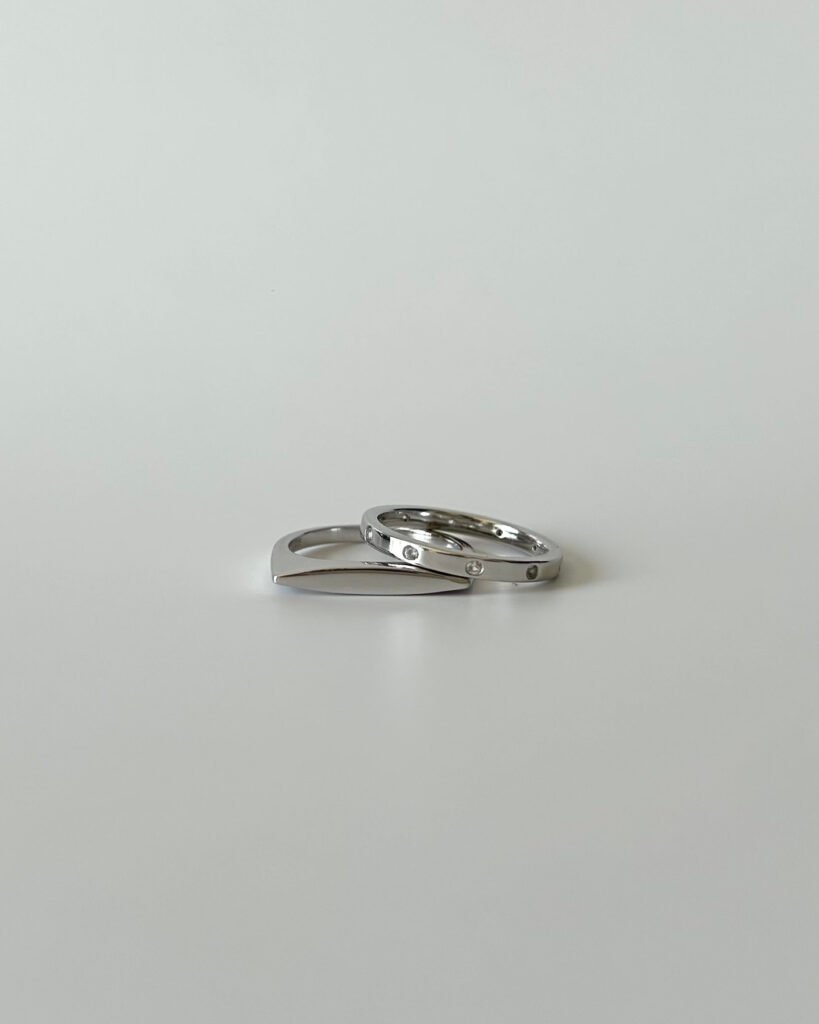
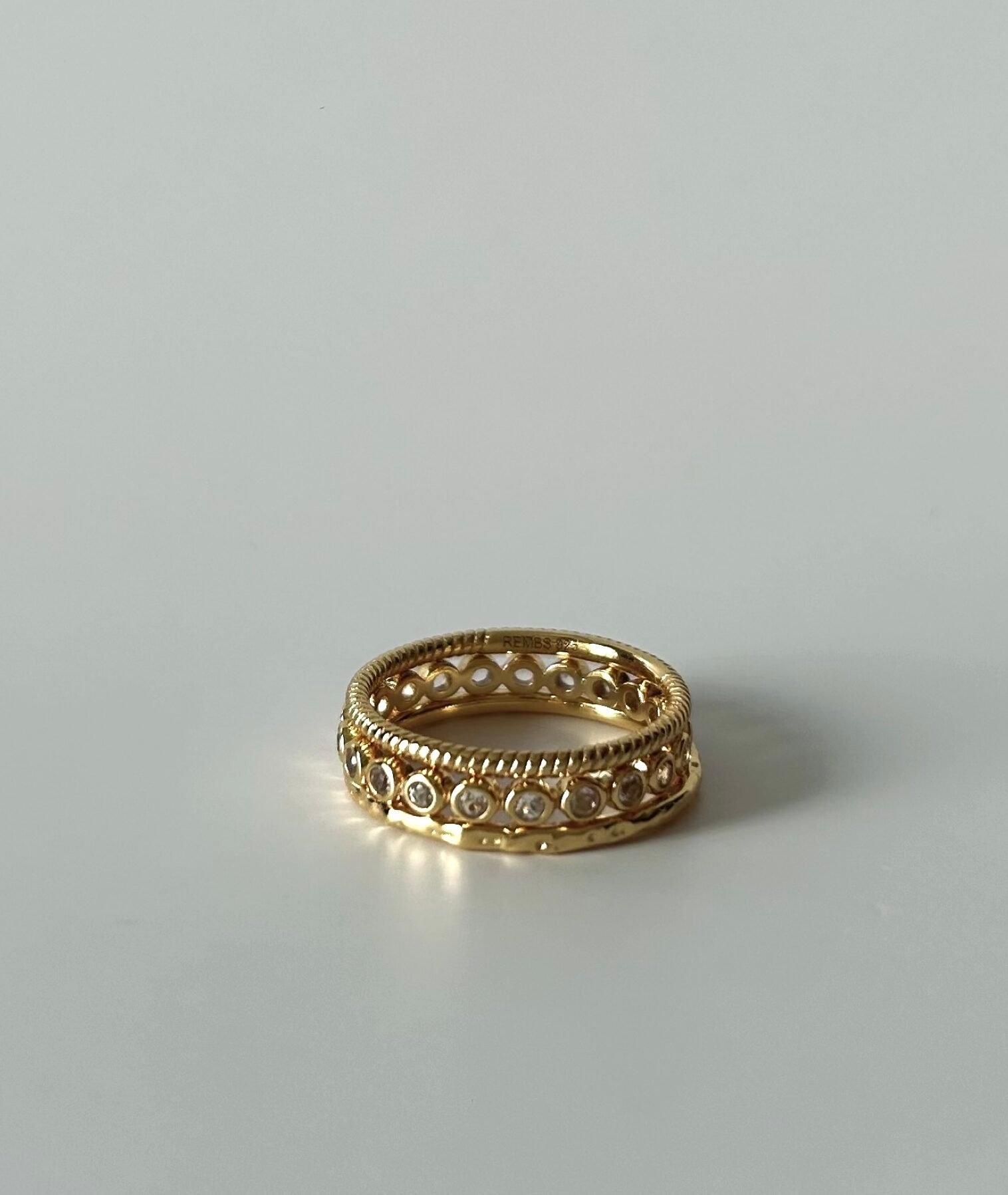
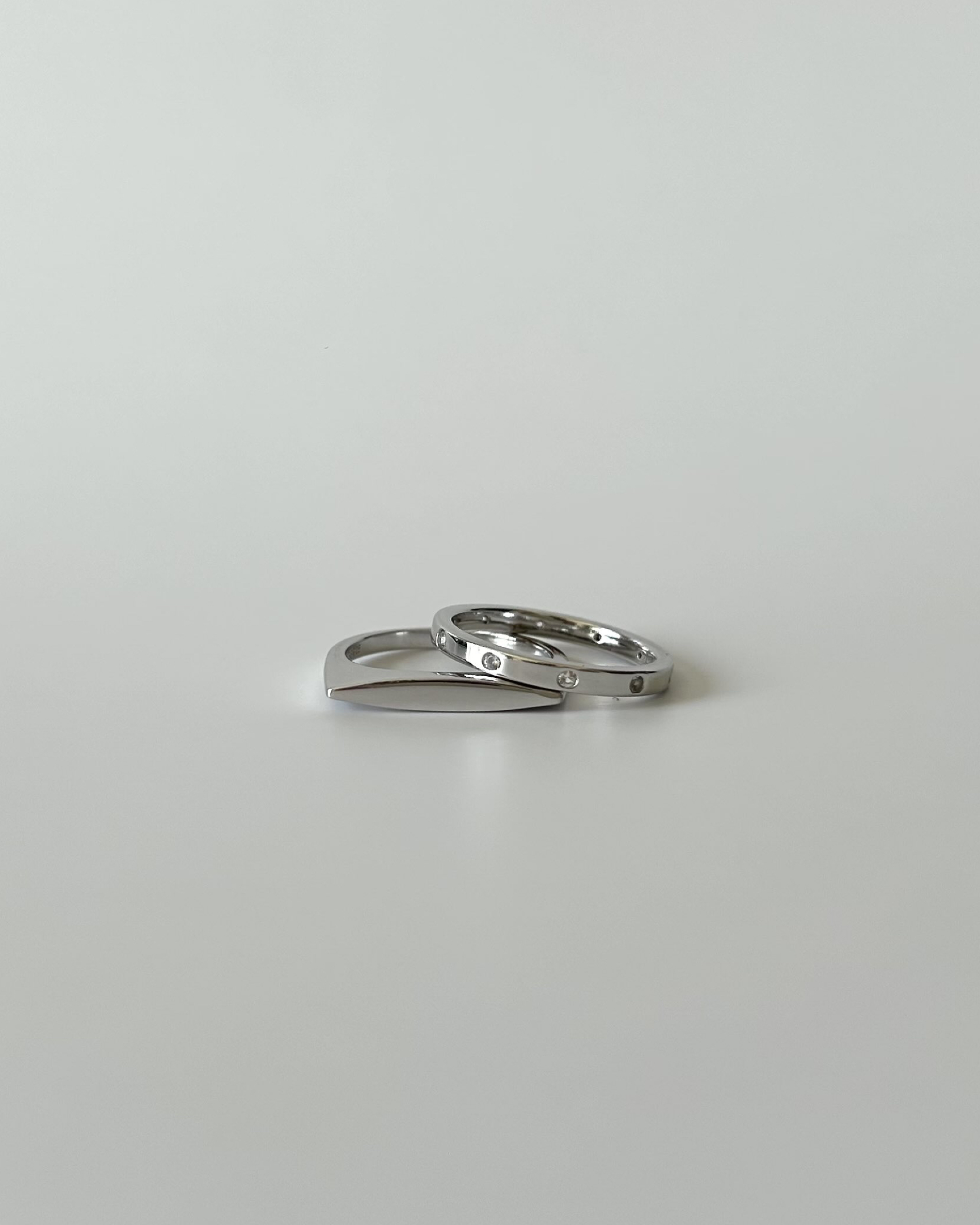
Knowing how to clean silver rings is particularly useful because rings are exposed to plenty of everyday contact. Hand creams, soap, perspiration and other products can accumulate around the band and underneath the setting.
Start by wiping the ring with a soft cloth. If it needs a deeper clean, use lukewarm water with a small amount of mild, pH-neutral soap.
Pay particular attention to the inside of the ring, where residue can build up, but avoid excessive pressure. Rinse thoroughly and dry the ring completely afterwards.
Can you clean sterling silver jewellery with gemstones?
Not every piece of jewellery should be treated in exactly the same way.
Gemstones can have different levels of sensitivity to water, heat, chemicals and abrasion. Pearls, opals and other porous or delicate stones, for example, require particularly careful treatment.
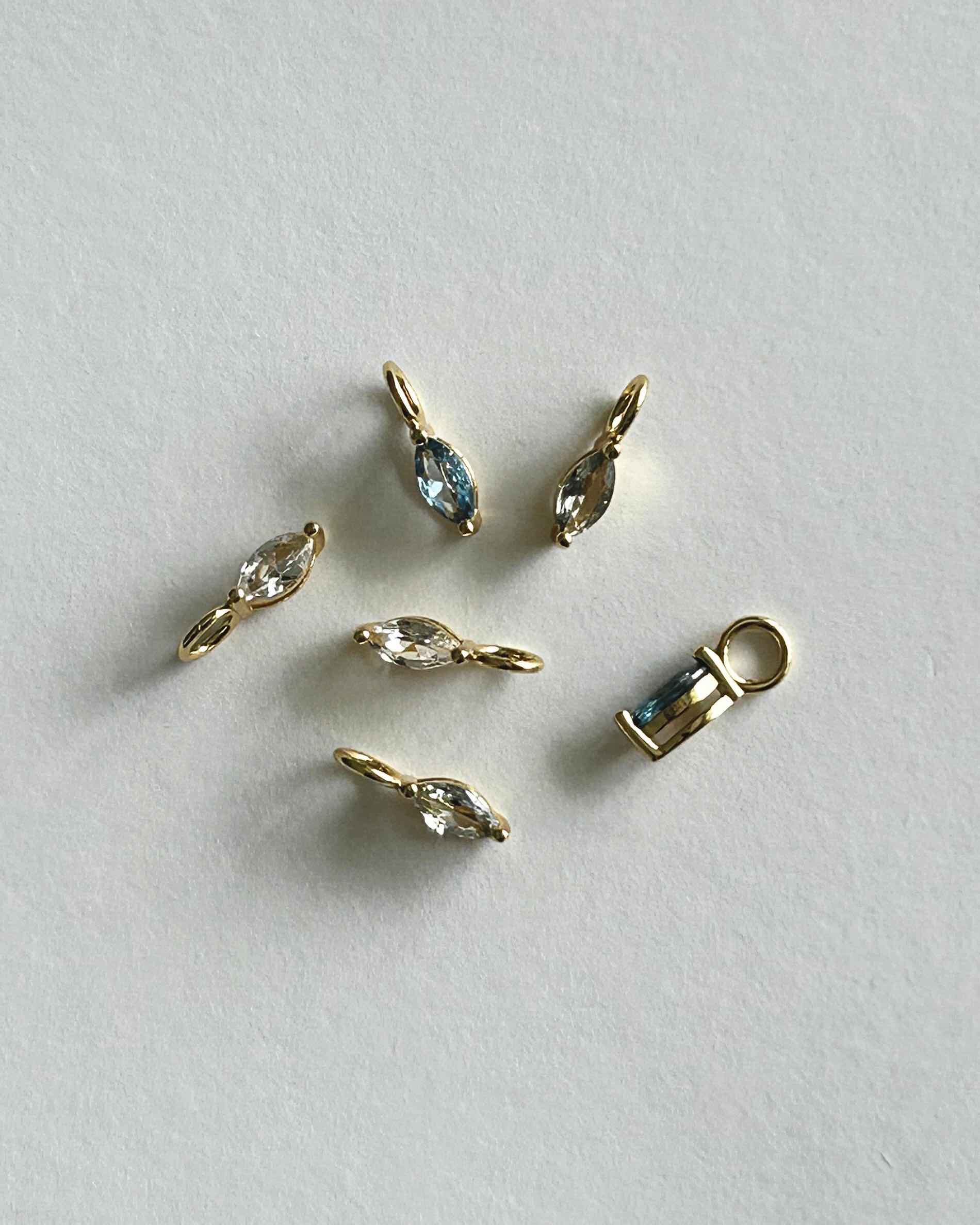
If your sterling silver jewellery contains a gemstone, such as the topaz in the REMBS Dream Topaz Ring, check the specific care requirements of the stone before immersing the piece in water or using any cleaning product. A cleaning method that is suitable for plain sterling silver may not be appropriate for the complete piece.
When you’re unsure, stick to a soft, dry cloth and check the care instructions for the specific jewellery before carrying out a deeper clean.
What should you avoid when cleaning sterling silver?
Knowing what to avoid is just as important as choosing the right cleaning method for your sterling silver jewellery.
- Toothpaste: Its abrasive ingredients can scratch silver. Use a jewellery-specific cleaner or gentle soap and water instead.
- Bleach and strong chemicals: Chlorine, bleach and household cleaning products can accelerate tarnishing and damage jewellery.
- Abrasive materials: Rough cloths, paper towels and vigorous scrubbing may leave fine scratches. Choose a soft, non-abrasive cloth.
- Over-polishing: Polishing can restore shine, but doing it too often or too aggressively can remove a small amount of metal. Polish only when necessary.
How to prevent sterling silver from tarnishing
A few simple habits can help keep your jewellery looking its best for longer. Put it on after applying perfume, creams and cosmetics, and remove it before swimming, showering, exercising or using cleaning products. After wearing it, gently wipe away oils and moisture.
Store sterling silver in a cool, dry place, ideally in a soft jewellery pouch or a box with separate compartments to minimise scratches and tangling. In humid environments, a small silica gel packet can help reduce moisture inside a closed storage space.
At REMBS, our jewellery is designed to be worn, enjoyed and cherished over time. Our sterling silver pieces are crafted from 925 sterling silver, a precious material selected for its quality, durability and natural lustre.
Tarnishing is a normal characteristic of sterling silver, even when the material is of exceptional quality. With simple everyday care and appropriate cleaning, you can help preserve the beauty of your favourite pieces for years to come.
When cleaning your jewellery, remember that gentle care is always preferable to aggressive treatments. A soft cloth, mild soap and careful storage are often all you need to keep your sterling silver looking its best.
FAQS
Can you clean sterling silver with baking soda?

Baking soda is often recommended as a DIY silver cleaner, but its abrasive nature can scratch or affect the finish of your jewellery. For high-quality sterling silver, gentler cleaning methods are preferable.
Can you use vinegar to clean sterling silver?
Although vinegar is sometimes used to remove tarnish, acidic solutions are not suitable for every piece of jewellery, particularly those with gemstones or special finishes. For safer everyday care, opt for mild soap and lukewarm water.
How do you restore the shine to sterling silver?
Gently clean your jewellery with mild soap and lukewarm water, then dry it thoroughly with a soft, lint-free cloth. A suitable jewellery polishing cloth can also help restore its natural lustre.
Why does sterling silver turn black?
Sterling silver can turn dark or black when the metal reacts with substances in the air, moisture and sulphur compounds, creating a layer of tarnish. This is a natural process and does not mean your silver jewellery is damaged.